Cell Communication, Heredity, and Gene Expression
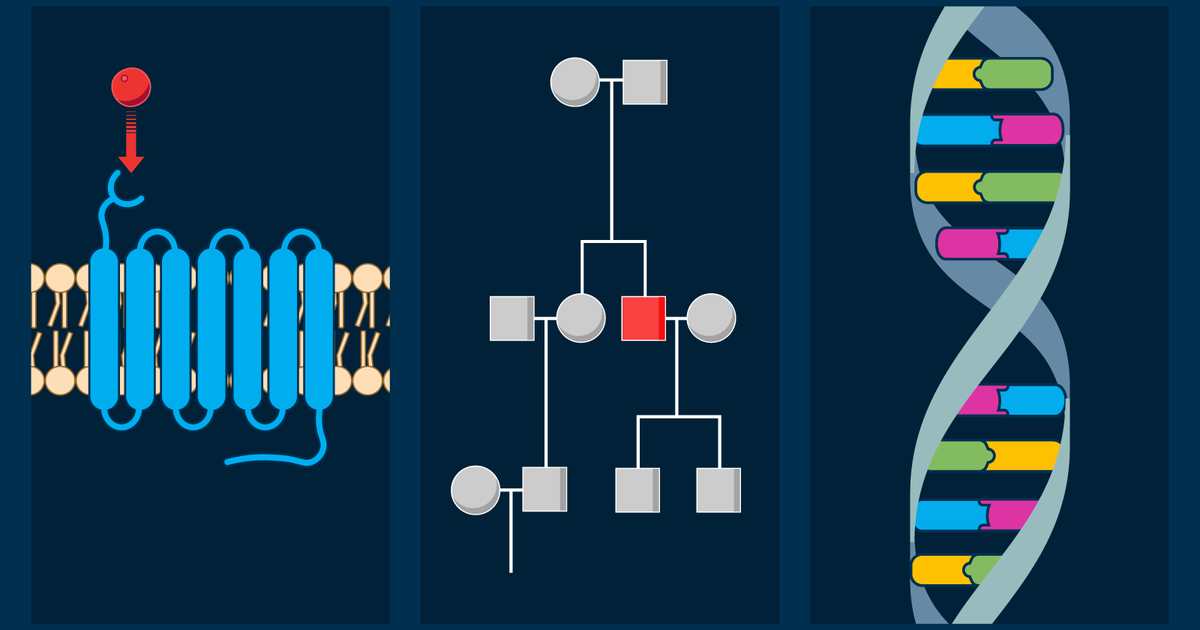
AP® Biology is an advanced, college-level course taught at high school level that prepares students for introductory biology in college. The curriculum is organized into 8 units: Chemistry of Life, Cell Structure and Function, Cellular Energetics, Cell Communication and the Cell Cycle, Heredity, Gene Expression and Regulation, Natural Selection, and Ecology. This cluster focuses on Units 4–6, which build on the biochemical and cellular foundation and explore how information is transmitted, inherited, and regulated in living organisms: Unit 4: Cell Communication and the Cell Cycle—examines how cells communicate with each other and regulate growth and division. Topics include signaling pathways, receptor types, and mechanisms of signal transduction, as well as the stages of the cell cycle, checkpoints, and processes such as mitosis and meiosis. Unit 5: Heredity—investigates patterns of inheritance and the mechanisms by which genetic information is passed from one generation to the next. Topics include Mendelian genetics, non-Mendelian inheritance, Punnett squares, pedigrees, chromosomal inheritance, and the effects of mutations on phenotype. Unit 6: Gene Expression and Regulation—explores how genes are expressed and controlled in prokaryotic and eukaryotic systems. Topics include transcription, translation, gene regulation, epigenetics, operons, and the molecular mechanisms that ensure cells produce the correct proteins at the right time. Throughout these units, learners continue to engage in inquiry-based investigations from the AP® Biology Lab Manual, developing laboratory skills and applying critical thinking to analyze data and solve complex biological problems. Emphasis is placed on connecting molecular and cellular processes to broader biological systems, reinforcing a deep understanding of how life functions at the cellular and genetic levels. Soon, we’ll be adding a new lab investigation to this cluster, allowing learners to explore meiosis in Sordaria fimicola. Stay tuned! AP® is a registered trademark of the College Board, which has not reviewed this resource.
Topics
- AP
- AP Biology
- AP Bio
- next generation science standards
- NGSS
- allele
- anaphase
- aneuploidy
- autocrine
- Bacterial transformation
- branch-fork method
- cancer
- cell communication
- cell cycle
- cell cycle checkpoints
- cell cycle disruptions
- cell differentiation
- cell division
- cell growth
- centrosome
- chromosomal mutations
- codominance
- cytokinesis
- DNA
- DNA Polymerase
- DNA replication
- DNA sequencing
- dihybrid cross
- dominant
- eukaryotic gene regulation
- endocrine
- epigenetics
- Epistasis
- eukaryotic cell
- G- Protein coupled receptors
- gene expression
- gel electrophoresis
- genotype
- g1
- g1 phase
- g2
- g2 phase
- GMOs
- Gregor Mendel
- heterozygous
- hox genes
- homeostasis
- horizontal gene transfer
- inheritance
- incomplete dominance
- interphase
- laws of inheritance
- linked gene
- m phase
- meiosis
- meiosis I
- meiosis II
- mRNA processing
- metaphase
- Mendelian genetics
- Mendelian inheritance
- mitosis
- missense: conservation
- missense: mon-conservative
- mismatch repair enzymes
- monohybrid
- multiple alleles
- nuclear division
- non-nuclear inheritance (chloroplasts and mitochondria)
- negative feedback loop
- nonsense
- nucleotide excision repair system
- operons
- pancreas
- paracrine
- PCR
- phenotype
- pleiotropy
- positive feedback loop
- post-translational modification
- polygenic inheritance
- polyploidy
- prophase
- prometaphase
- punnett square
- reception
- recessive
- replication
- response
- RNA
- RNA interference
- s phase
- sex-linked traits
- Sexual reproduction
- Silent
- signal transduction
- small scale mutations
- telophase
- transcription
- translation
- transduction
- transposons
- tyrosine kinase
- viral cycles