Cellular Respiration
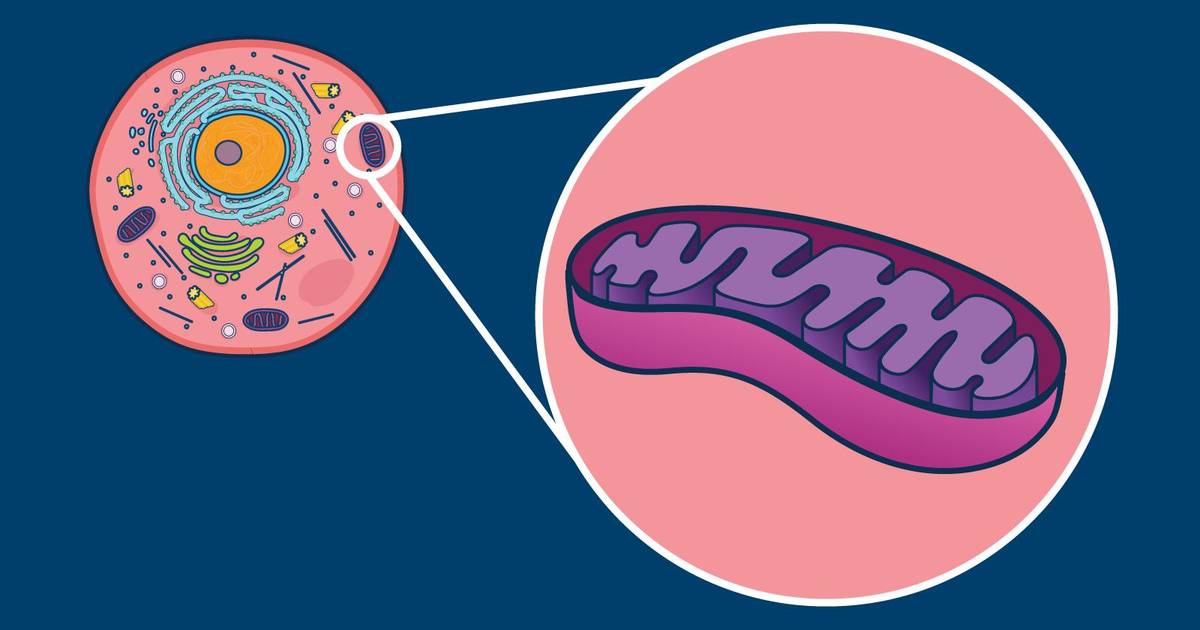
Cellular respiration is a series of metabolic pathways that occurs in cells to convert energy stored in biological macromolecules, such as carbohydrates, into usable energy. This series of questions will help learners to evaluate their understanding of how cells obtain energy from biological macromolecules to power cellular functions.
Topics
- AP
- AP Biology
- AP Bio
- next generation science standards
- NGSS
- cellular respiration
- energy
- glycolysis
- catabolic
- glucose
- monosaccharides
- oxygen
- sugars
- oxidized
- pathway
- pyruvate
- NADH
- FADH2
- ATP
- NAD+
- ADP
- oxidative phosphorylation
- aerobic
- anaerobic
- electron acceptor
- electron carrier
- high-energy electron carrier
- mitochondrion
- cytoplasm
- acetyl-CoA
- carbon dioxide
- citric acid cycle
- Krebs cycle
- electron transport chain
- eukaryotic cells
- mitochondrial matrix
- mitochondrial membrane
- FAD
- GTP
- hydrogen ion
- proton gradient
- ATP synthase
- ATP formation
- carbohydrates
- substrate-level phosphorylation
- complex proteins
- inner mitochondrial membrane
- organelle
- chemiosmosis