Viking 1 and 2, NASA’s First Mars Landers
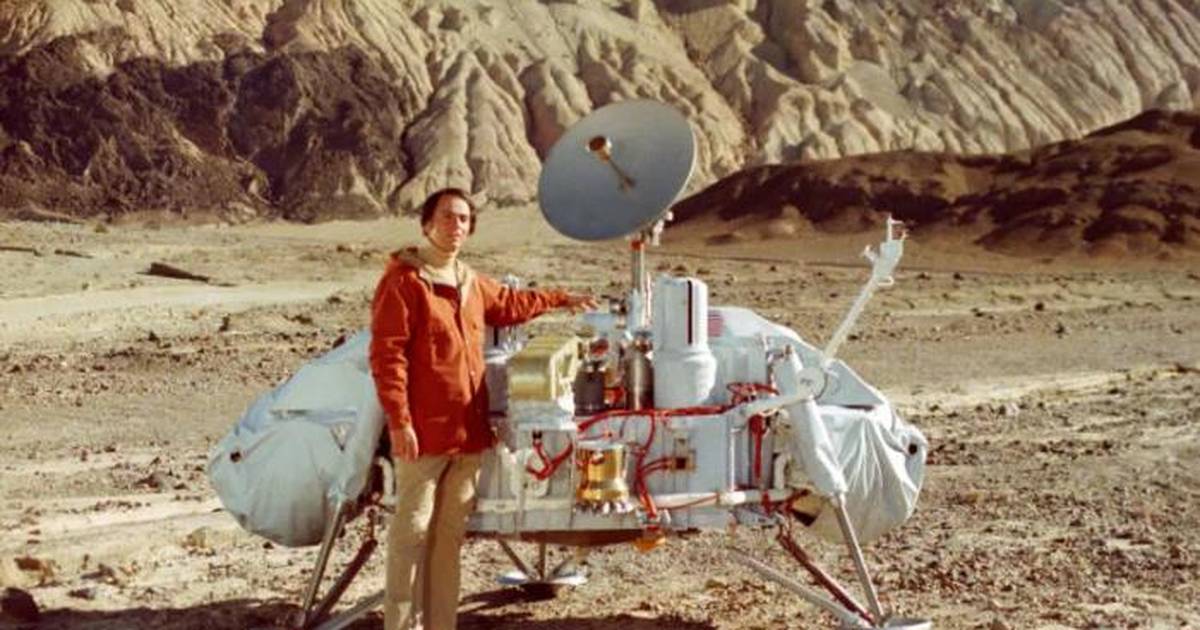
In 1975, NASA launched Viking 1 and 2—twin spacecraft comprising orbiters and landers—to explore Mars. These missions revolutionized planetary science by capturing global maps, measuring surface chemistry, and conducting life-detection experiments. Their findings revealed Mars’ iron-rich soil, extreme cold, and diverse terrain, shaping our modern understanding of the Martian environment and astrobiology.
Topics
- Mars exploration
- NASA missions
- Viking lander
- Viking orbiter
- Martian soil chemistry
- astrobiology
- planetary science
- Mars atmosphere
- Carl Sagan
- space exploration history
- life detection experiment
- planetary mapping
- robotic missions
- Mars surface
- planetary geology