Fitness and Impacts of Species Interactions
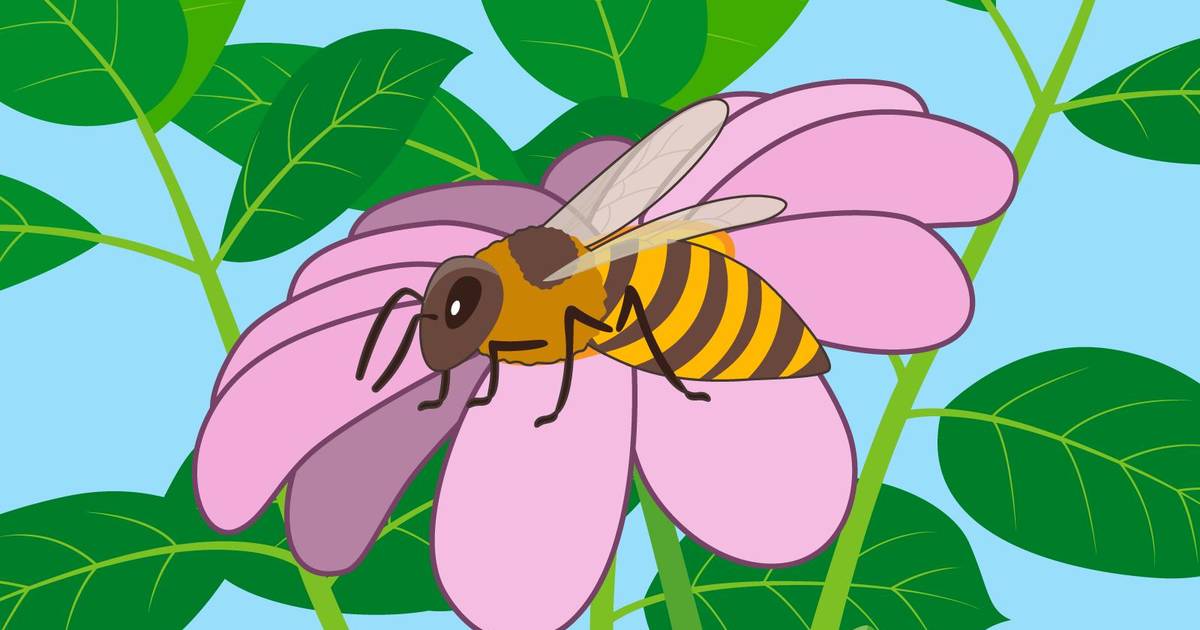
Fitness refers to an organism’s ability to survive and reproduce in its environment. Interactions between species—such as consumption, mutualism, competition, and others—can influence the fitness of each participant and act as agents of natural selection. These interactions may have short-term effects on the abundance and distribution of populations, or long-term evolutionary effects, where species reciprocally influence each other’s evolution. Let’s examine how each interaction affects fitness and evolutionary outcomes.
Topics
- AP
- AP Biology
- AP Bio
- next generation science standards
- NGSS
- fitness
- interactions
- herbivory
- herbivore
- predation
- predator
- prey
- parasitism
- parasite
- parasitoidism
- parasitoid
- mimicry
- mutualism
- pollination
- symbiosis
- symbiotic
- commensalism
- competition
- adaptation