Point and Nonpoint Pollution
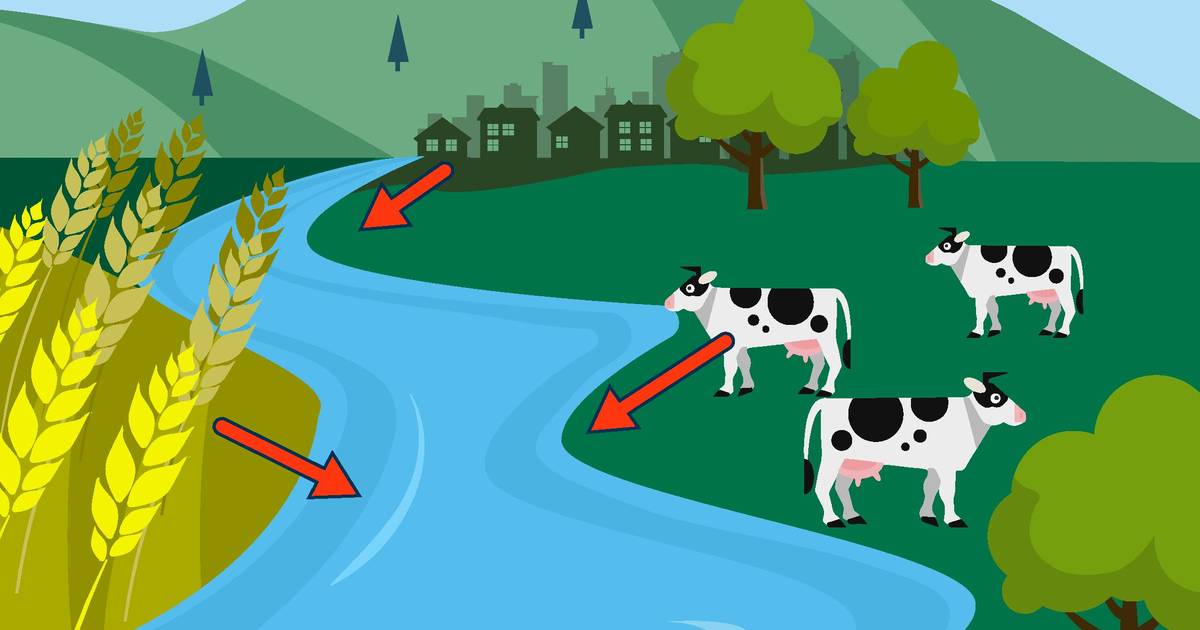
Dive into the murky world of pollution! Pollution enters ecosystems from point sources (single, identifiable origins) or nonpoint sources (diffuse, widespread inputs). This infographic explores the differences between these sources, real-world examples, and why this distinction matters for monitoring and reducing pollution.
Related resources
Topics
- environmental science
- ap environmental science
- cp environmental science
- ngss
- point source
- nonpoint source
- point pollution
- nonpoint pollution
- water pollution
- air pollution
- land pollution
- pollution data collection
- measuring pollution
- pollution solution
- sewage outfalls
- organic waste
- nutrients
- nitrogen
- phosphorus
- eutrophication
- industrial discharge
- wastewater
- harmful chemicals
- heavy metals
- pharmaceuticals
- detergents
- landfill leachate
- oil spill
- polycyclic aromatic hydrocarbons (PAHs)
- smokestacks
- nitrogen oxides (NOx)
- sulfur oxides (SOx)
- carbon dioxide (CO2)
- carbon monoxide (CO)
- particulate matter (PM)
- concentrated animal feeding operations
- agricultural land
- runoff
- manure
- fertilizers
- pesticides
- sediment pollution
- erosion
- suburban lawns and septic systems
- stormwater runoff
- urban runoff
- atmospheric deposition
- airborne pollutants
- sulfur dioxide (SO₂)
- mercury (Hg)
- volatile organic compounds (VOCs)
- trace metals
- acid rain
- nutrient loading