Photosynthesis and Cellular Respiration
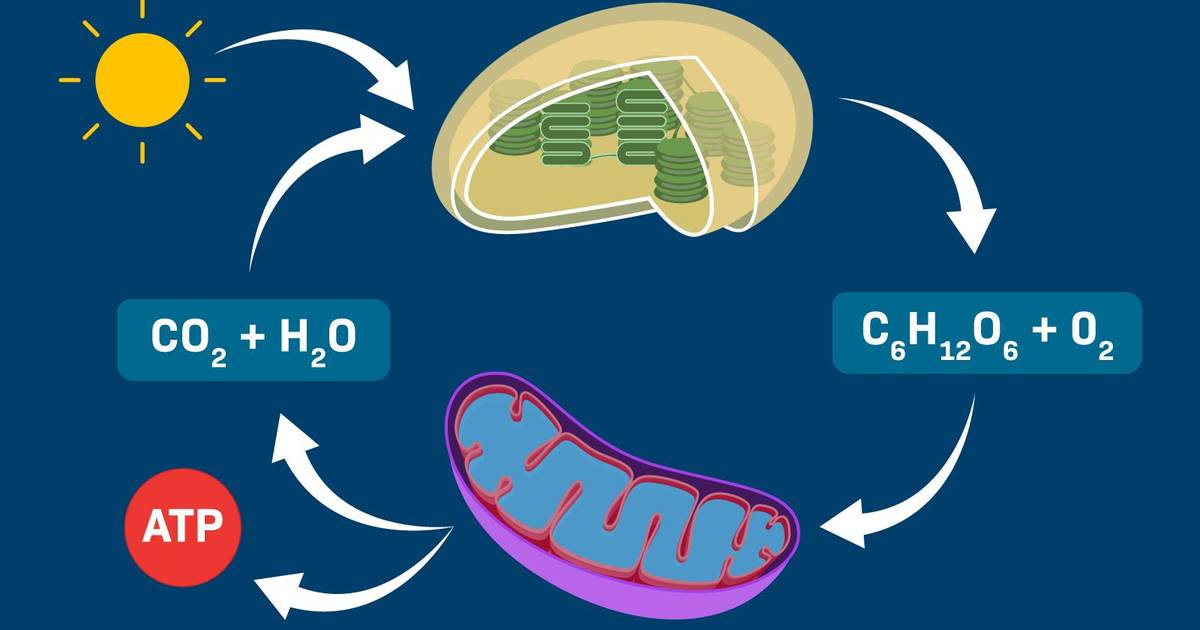
Photosynthesis is a process by which organisms convert light energy to chemical energy, while cellular respiration is a process by which cells break down chemical energy to produce ATP. This series of questions will help learners to evaluate their understanding of energy capture, storage, and usage in organisms.
Topics
- AP
- AP Biology
- AP Bio
- next generation science standards
- NGSS
- photosynthesis
- carbohydrates
- starch
- cellulose
- chlorophyll pigments
- ATP
- ATP hydrolysis
- mitochondria
- inorganic phosphate
- light-dependent reaction
- light-independent reaction
- Calvin cycle
- citric acid cycle
- Krebs cycle
- glycolysis
- pyruvate
- electron transport chain
- electrons
- oxidative phosphorylation
- plants
- leaves
- stomata
- thylakoids
- gas exchange
- proton gradient
- chemiosmosis
- carbon dioxide
- temperature
- rate of photosynthesis
- pH indicator
- algae
- bromothymol blue
- transpiration
- soil
- thylakoid membrane
- granum
- oxygen
- water
- light
- mitochondrial matrix
- energy
- absorption
- NADH
- NADPH
- FADH2
- GTP
- cellular respiration
- ATP synthesis
- ATP synthase
- ADP
- catalysis
- catabolic reaction
- mitochondrion
- oxidized
- pyruvate oxidation
- glucose
- acetyl-CoA
- sugars
- enzymatic reaction
- carbon dioxide fixation
- stroma
- chloroplast
- high-energy electron carriers
- electron carriers