Addressing Microaggressions in the Classroom
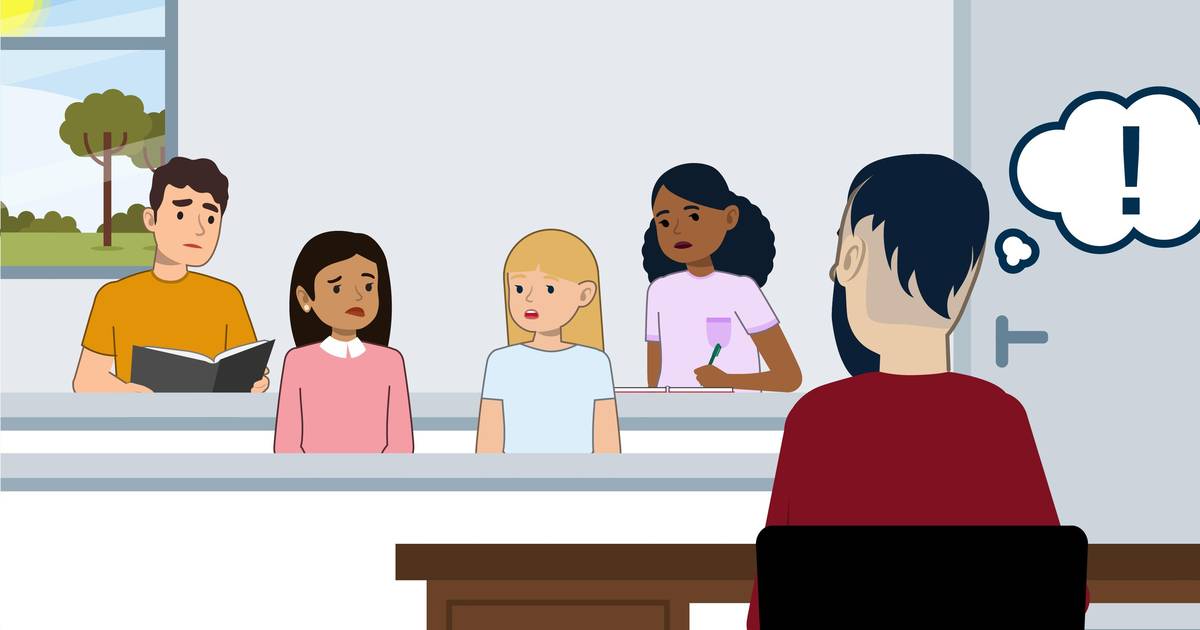
Research shows that racially diverse students often face microaggressions in STEM classrooms. To create a safe and equitable learning environment, it’s critical for educators to recognize and address microaggressions when they occur. In this interactive infographic, explore examples of microaggressions in STEM classrooms and learn practical strategies that educators can use to both prevent themselves from committing microaggressions and effectively respond to them among students.
References
Cheung, F., Ganote, C., & Souza, T. (2021, April 7). Microresistance as a way to respond to microaggressions on zoom and in real life. Faculty Focus. https://www.facultyfocus.com/articles/academic-leadership/microresistance-as-a-way-to-respond-to-microaggressions-on-zoom-and-in-real-life/ Daha, M. (2016). Recognizing and addressing microaggressions in teacher-family relationships. Beginnings Professional Development Workshop. https://dcf.wisconsin.gov/files/ccic/pdf/articles/recognizing-and-addressing-microaggressions.pdf Miller, H. H., & Miskimon, B. S. (2021, March 4). Microaggressions and microinterventions in the classroom. FSU. https://cehhs.fsu.edu/microaggressions-and-microinterventions-classroom Souza, T. (2018). Responding to microaggressions in the classroom: Taking ACTION. Faculty Focus. https://www.facultyfocus.com/articles/effective-classroom-management/responding-to-microaggressions-in-the-classroom/
Topics
- RDEISE
- equity
- racism
- inclusion
- diversity
- belonging
- inclusive education
- STEM education
- professional development
- microaggressions
- microresistance
- microaffirmations