What Is A Planet?
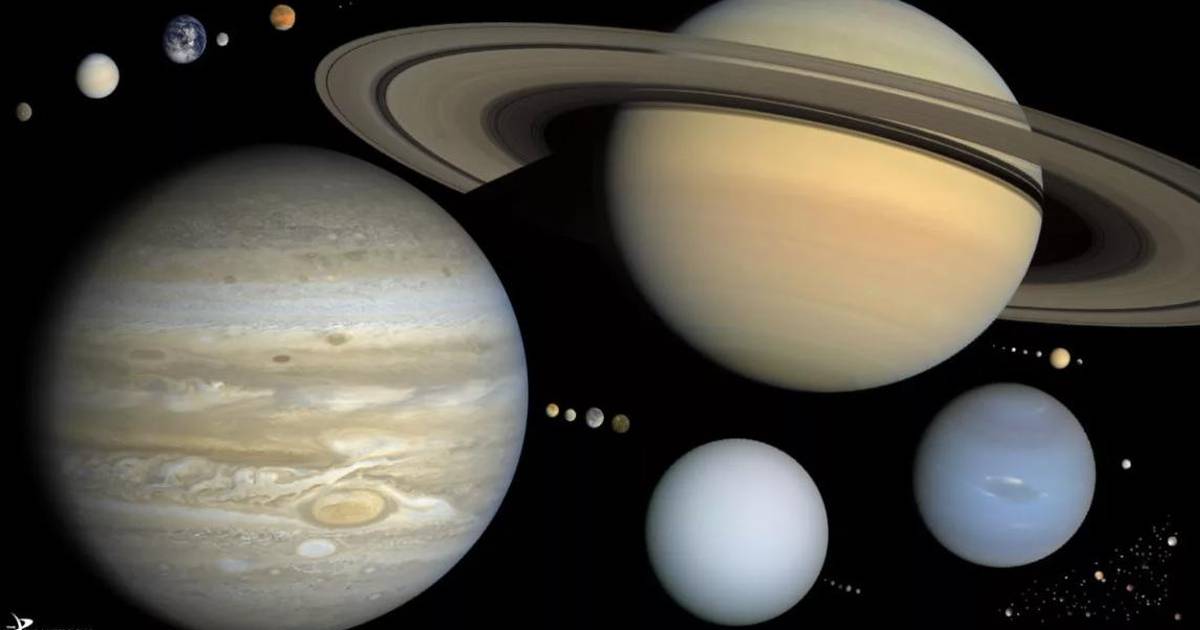
The IAU’s 2006 resolution defines a planet as orbiting the Sun, nearly round, and having “cleared its neighborhood.” This article traces shifting planet definitions, compares astronomical vs. geophysical criteria, and surveys Solar System and exoplanet diversity—Kuiper belt, dwarf planets, planetary geology—using accessible history, data, and SEO-friendly terminology.
References
Harry McSween and coauthors published an excellent introductory textbook in 2019 titled Planetary Geoscience that is suitable for advanced high school or introductory college level courses, or for space enthusiasts Mike Brown’s regularly updated list of trans-Neptunian object diameters indicates which are certainly, likely, or just possibly round and are thus dwarf planets The JPL small-body database browser can be used to visualize the orbits of trans-Neptunian objects as well as asteroids, centaurs, and periodic comets, and the page for each object includes physical data like mass and diameter (if known) The JPL Horizons database hosts lists of physical parameters of planets, satellites, and certain smaller bodies Phil Metzger’s: “The Reclassification of Asteroids from Planets to Non-Planets” examines the history of the word “planet” in scientific discourse Kirby Runyon and coworkers presented their planet definition at the Lunar and Planetary Science Conference in 2017 and again at the Pluto System After New Horizons meeting in 2019. Here is their 2017 poster presentation David Russell’s geophysical planet classification is an unpublished manuscript, but he did publish a peer-reviewed article pointing out that Earth’s Moon meets all requirements of the IAU’s planet definition Ron Ekers presented to the IAU’s centenary symposium in 2018 about how some obscure rule changes for IAU meetings helped to cause considerable behind-the-scenes drama surrounding the status of Pluto and the planet definition
Topics
- planet definition
- IAU 2006
- cleared neighborhood
- dwarf planet
- Pluto
- Eris
- Kuiper belt
- trans-Neptunian objects
- planetary geology
- geophysics
- mass and composition
- spherical shape
- orbital dynamics
- moons as worlds
- gas giants
- ice giants
- terrestrial planets
- exoplanets
- super-Earths
- sub-Neptunes
- volcanism
- tectonics
- magnetic fields
- Ceres
- Vesta
- Mimas
- Titan
- Europa
- Triton
- New Horizons
- Mariner 2
- scale of solar system