Abusive Overcharge Test
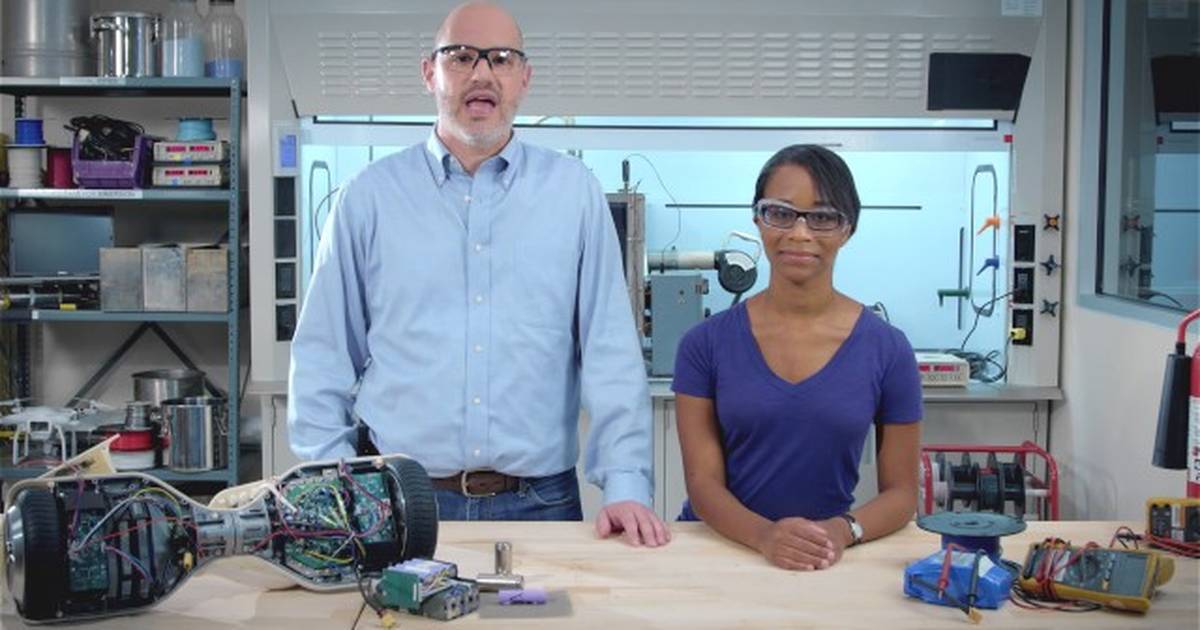
This test is known as the abusive overcharge test. It determines whether protective components will prevent a battery from overcharging. It also determines whether a charger recognizes a battery’s chemistry so that it can charge the battery correctly. Consider this: When your mobile phone is done charging, do you unplug it right away? Did you know that some devices contain protective chips that prevent the battery from overcharging? Did you know that some chargers do not recognize the chemistry of lithium-ion batteries? (Because of this, the batteries may overcharge due to lack of communication between the charger and battery.) Lithium-ion batteries are small and powerful. Overcharging them can result in many consequences. Dendrites of lithium form in the battery. The electrolyte decomposes. The cathode destabilizes. The temperature of the batteries increases. When these factors are combined, they can result in fire, smoke and thermal runaway. UL Safety Engineers push batteries to the extreme with a variety of tests designed to anticipate how a battery might be used or misused, evaluate potential dangers, analyze the effects of a fault or failure and engineer safer solutions. (Don't even consider trying this! Tests are done by trained professionals. Products are tested in a controlled environment with intent to fail.)
Topics
- anode
- cathode
- overcharge
- researcher
- research
- scientist
- chemical
- phone
- phones
- device
- devices
- batteries
- charging
- charge
- engineering
- engineer
- design
- lab
- laboratory
- test
- testing
- tests
- failure
- risk
- thermal runaway
- thermal
- heat
- electricity
- electric
- electronic
- electronics
- Portable
- Electrical
- Power
- battery
- li
- li ion
- li-ion
- lithium
- lithium-ion
- lithium ion
- ion
- explosion
- fire