How Does Taste Work?
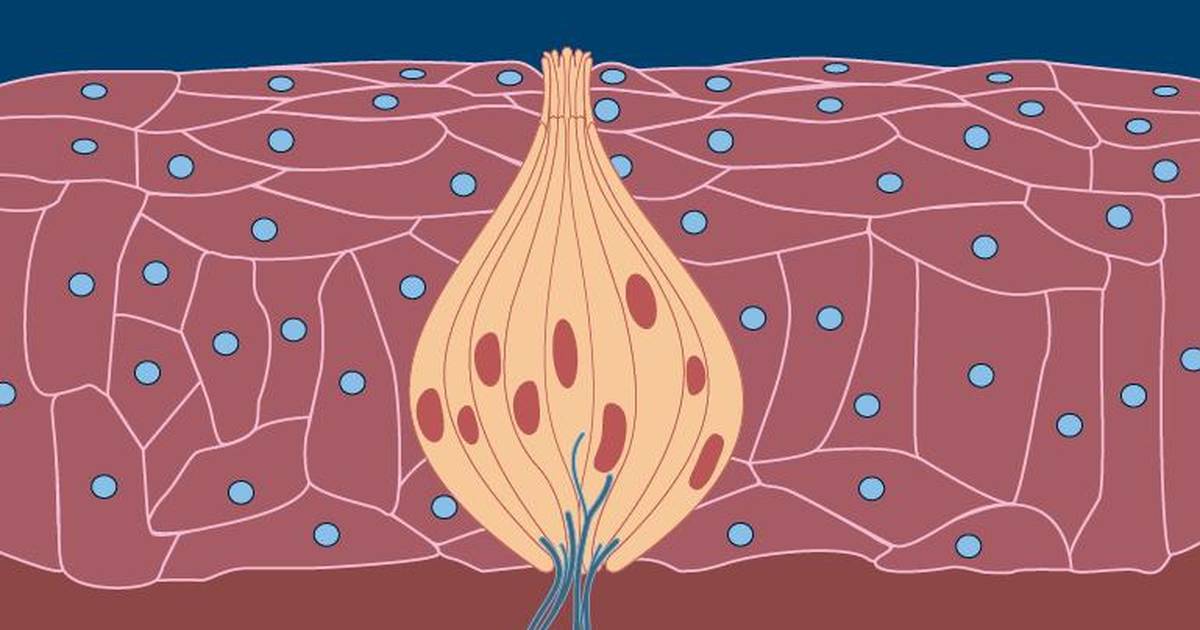
This interactive scrollable explores how the tongue—the sensory organ for taste—perceives different taste sensations. Molecules within our food are detected by specific taste receptors that allow us to perceive sweet, salty, bitter, sour, or umami (savory) foods. As food molecules bind to their respective taste receptors, a signal cascade is initiated that sends signals to the brain via sensory neurons. This allows us to perceive these different tastes.
Topics
- ALXCollab
- taste
- taste sensations
- sweet
- bitter
- sour
- salty
- umami
- savory
- flavors
- food molecules
- tongue
- sensory organ
- carbohydrates
- sugars
- sugary foods
- toxins
- bitterness
- taste buds
- gustatory cells
- taste cells
- taste receptors
- bitter taste receptor
- sweet taste receptor
- umami taste receptor
- salty taste receptor
- sour taste receptor
- signal cascade
- relay molecules
- sensory neuron
- taste perception
- sodium channel
- ion channel
- sodium ions
- hydrogen ions
- sourness