Diabetes Types 1 and 2
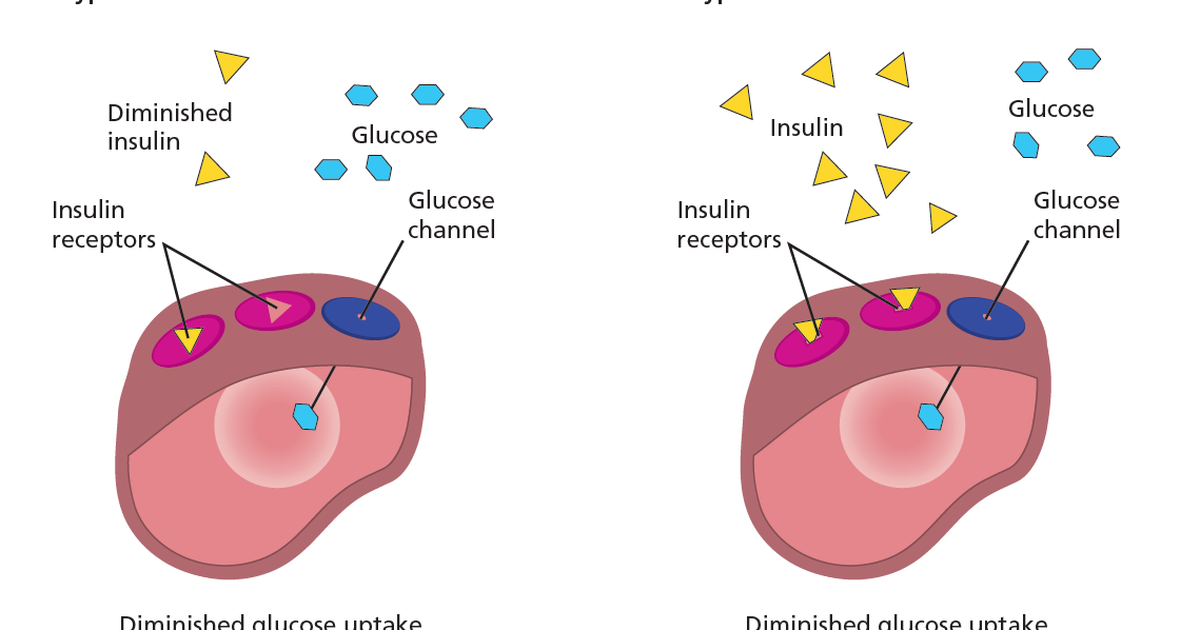
In both type 1 and type 2 diabetes, glucose is unable to enter the cells, resulting in elevated levels of glucose in the blood. In type 1 diabetes, the beta cells in the pancreas are unable to produce insulin. Without insulin to create glucose channels, the glucose remains in the blood. Type 2 diabetes is the result of a combination of two factors: Cells become resistant to insulin, and the receptors can no longer bind the hormone. This text excerpt is from the Introduction of the ABE Student Guide.
Topics
- diabetes
- glucose
- insulin
- monomer
- polymer
- starch
- blood sugar
- recombinant DNA
- insulin resistance
- receptor
- hormone
- beta cells
- membrane
- barrier
- intracellular
- E. coli
- plasmid
- DNA