Adenosine Triphosphate (ATP) and Its Role in Cellular Energetics
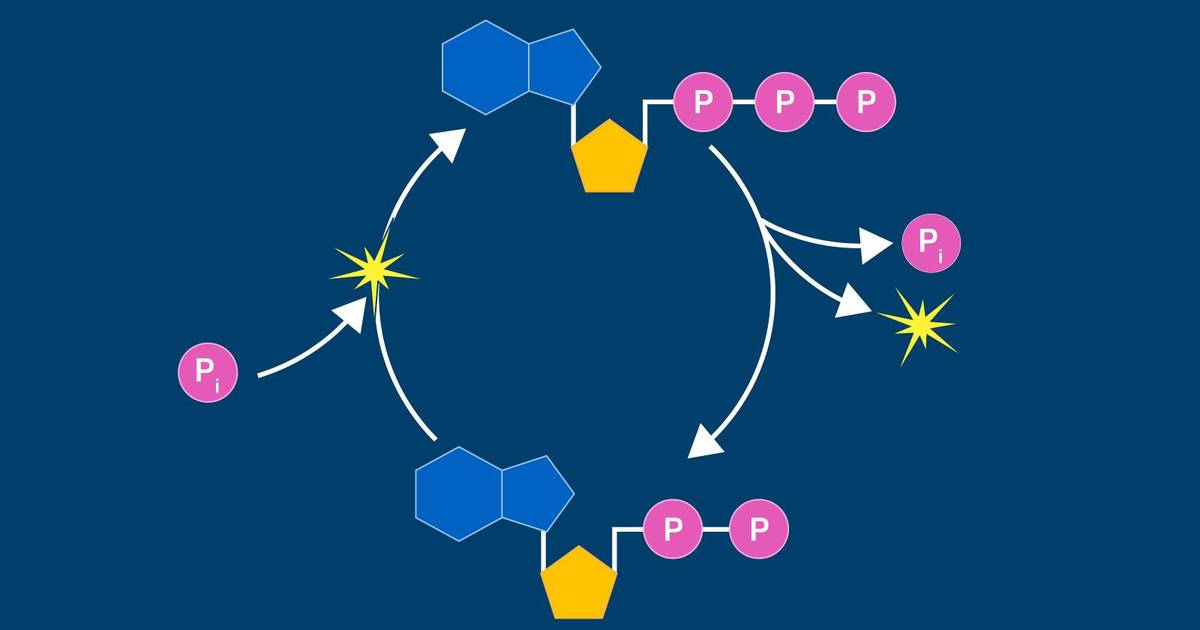
Learn about the types of activities that ATP is used for in the cell, why it's considered a high-energy molecule, and its significance in driving coupled reactions.
Topics
- AP
- AP Biology
- AP Bio
- next generation science standards
- NGSS
- ATP
- energy
- cellular energetics
- cell
- high-energy molecule
- coupled reactions
- transport work
- active transport
- mechanical work
- chemical reactions
- rechargeable chemical battery
- photosynthesis
- cellular respiration
- ADP
- inorganic phosphate
- adenosine
- adenine
- ribose
- phosphate group
- nucleotide
- phosphoanhydride bonds
- hydrolyzed
- water
- AMP
- exergonic
- recycle
- terminal phosphate group
- endergonic
- sodium-potassium pump
- cell membrane
- phosphorylates
- conformational change
- phosphorylated intermediate
- motor proteins
- cytoskeleton
- cilia
- dynein
- microtubules
- carbohydrates
- nucleic acid
- monomers
- glucose
- glycogen
- energy-releasing
- energy-requiring
- phosphoenolpyruvate
- substrate-level phosphorylation
- glycolysis
- pyruvate kinase enzyme