Socially Defined Race and the Fight for US Citizenship
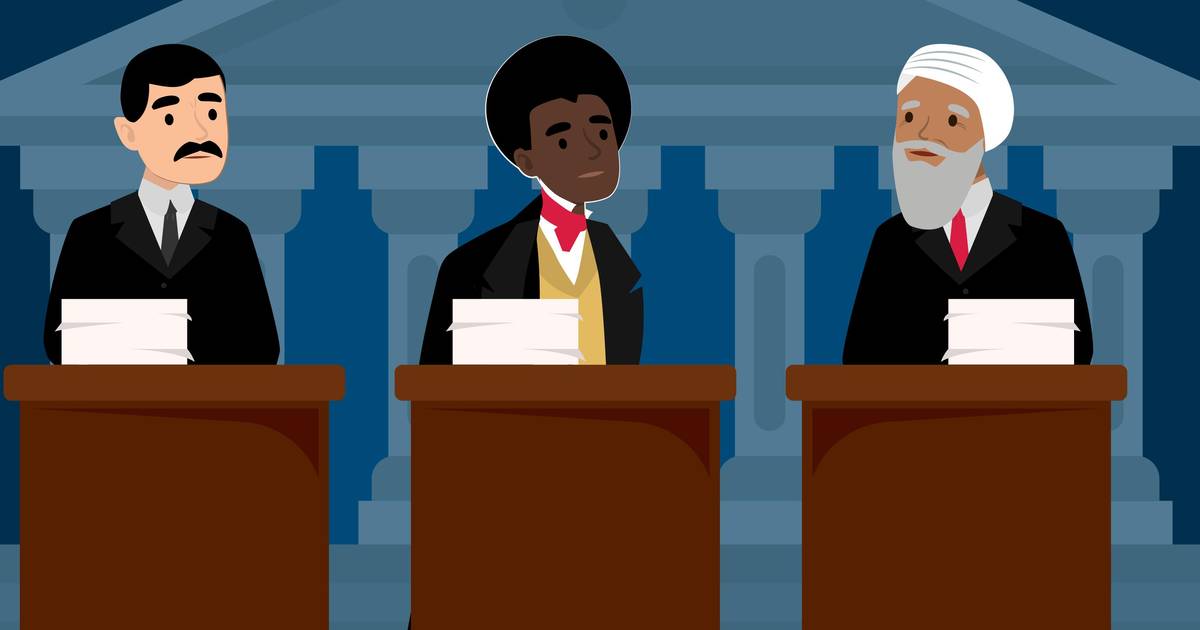
Scientific advances have shown that race in humans is a social construct rather than based in biology. This means that racial categories are created by societies and can change depending on the time period or place. In this video, evolutionary biologist Dr. Joseph L. Graves Jr. explores race as a social construct through two historical examples of applications for US citizenship. These cases also show how social definitions of race can significantly influence the daily lives of people and communities. To learn more about the relationship between race and society, please read Race in Humans is a Social Construct.
References
Graves, J. L. (2005). The emperor’s new clothes: Biological theories of race at the millennium. Rutgers University Press. Graves, J. L. & Goodman, A. (2022). Racism, not race: Answers to frequently asked questions. Columbia University Press. Kanwar, J. (2023). Stories from the negative spaces: United States v. Thind and the narrative of (non)whiteness. Race, Racism and the Law. https://racism.org/articles/citizenship-rights/immigration-race-and-racism/11430-stories-from National Archives. (2023, November 20). Dred Scott v. Sandford (1857). https://www.archives.gov/milestone-documents/dred-scott-v-sandford
Topics
- RDEISE
- equity
- racism
- inclusion
- diversity
- belonging
- health equity
- public health
- medical discrimination
- citizenship
- Caucasian
- Takao Ozawa
- Bhagat Singh Thind
- Dred Scott