The Effects of Lead Exposure on Lower-Income Households
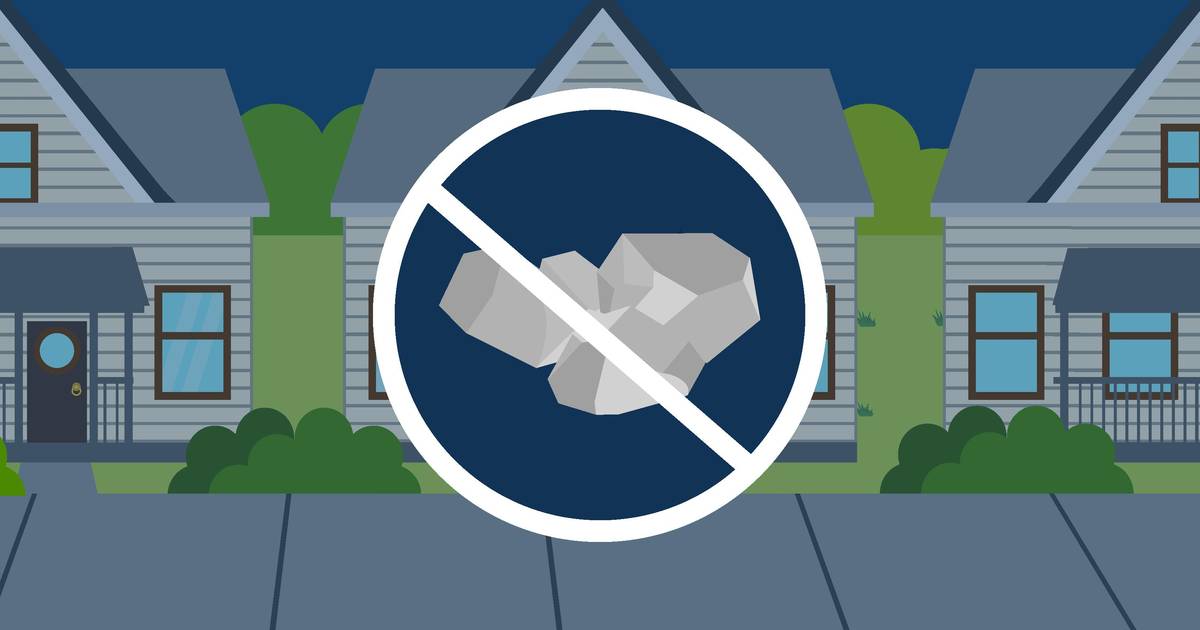
While lead is no longer used in the construction of homes, racially marginalized communities in the US are still at a higher risk of lead exposure and poisoning because they are more likely to live in lower-income areas. This scrollable interactive explores the historic use of lead in the construction of homes, and the systemic inequalities that have resulted from lead exposure—particularly for Black and Hispanic children.
References
Morello-Frosch, R. A. (1997). The politics of reproductive hazards in the workplace: class, gender, and the history of occupational lead exposure. International Journal of Health Services, 27(3), 501–521. https://doi.org/10.2190/CXKQ-1RTB-QP9H-QRPT Teye, S. O., Yanosky, J. D., Cuffee, Y., Weng, X., Luquis, R., Farace, E., & Wang, L. (2021). Exploring persistent racial/ethnic disparities in lead exposure among American children aged 1–5 years: Results from NHANES 1999–2016. International Archives of Occupational and Environmental Health, 94, 723–730. https://doi.org/10.1007/s00420-020-01616-4 United States Environmental Protection Agency (2023). Biomonitoring - Lead. https://www.epa.gov/americaschildrenenvironment/biomonitoring-lead World Health Organization. (2023). Lead poisoning. https://www.who.int/news-room/fact-sheets/detail/lead-poisoning-and-health
Topics
- equity
- racism
- inclusion
- diversity
- belonging
- health equity
- public health
- medical discrimination
- RDEISE
- lead
- lead exposure
- lead poisoning
- lead paint
- redlining
- residential segregation