Spectroscopic and Magnetic Properties of Coordination Compounds
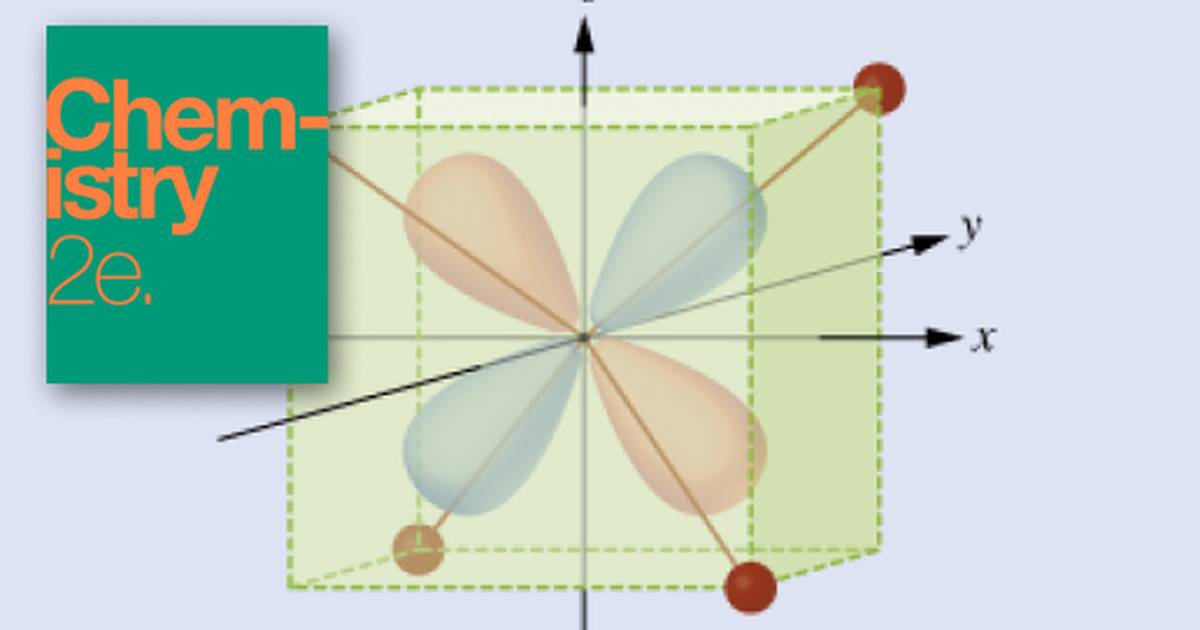
This text discusses spectroscopic and magnetic properties of coordination compounds, crystal field theory (CFT), molecular geometries, electron configurations of split d obitals, and colors of transition metal complexes.
Topics
- acid anhydride
- alkaline earth metal
- allotropes
- amorphous
- base anhydride
- bicarbonate anion
- bismuth
- borate
- carbonate
- chemical reduction
- chlor-alkali process
- disproportionation reaction
- Downs cell
- Frasch process
- Haber process
- halide
- Hall–Héroult cell
- hydrogen carbonate
- hydrogen halide
- hydrogen sulfate
- hydrogen sulfite
- hydrogenation
- hydroxide
- interhalogen
- metal
- metal representative
- metalloid
- nitrate
- nitrogen fixation
- Ostwald process
- oxide
- ozone
- passivation
- peroxide
- photosynthesis
- Pidgeon process
- polymorph
- representative element
- representative metal
- silicate
- sulfate
- sulfite
- superoxide
- crystal field splitting (Δ_oct)
- crystal field theory
- e_g orbitals
- high-spin complex
- low-spin complex
- pairing energy (P)
- spectrochemical series
- t_2g orbitals
- weak-field ligands