Identifying Microbes: Selective vs. Differential Growth Media
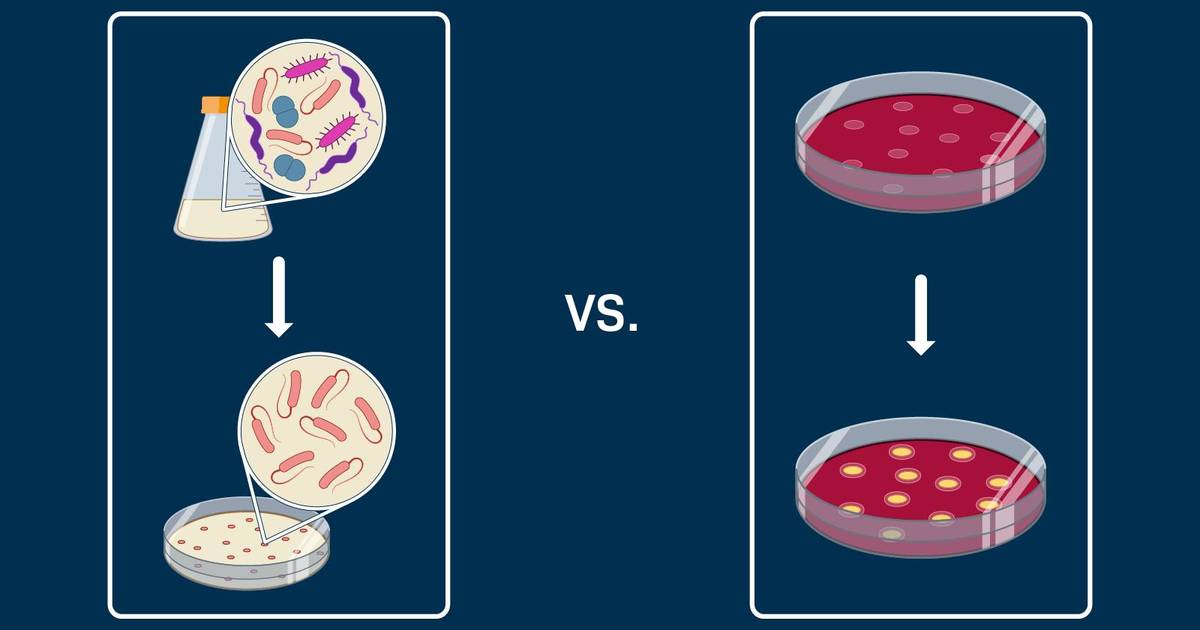
How do scientists identify disease-causing bacteria from patient samples? This scrollable interactive examines the laboratory tools used to culture microbes. Explore how selective and differential media are used to isolate specific microorganisms by manipulating chemical and physical conditions or identifying metabolic differences.
Topics
- AP
- AP Bio
- AP Biology
- agar
- alpha (α) hemolysis
- bacterial colonies
- bacteria
- beta (β) hemolysis
- blood agar
- culture
- culturing
- differential media
- disease-causing microorganisms
- eosin methylene blue (EMB) agar
- Escherichia coli
- fermenters
- gamma (γ) hemolysis
- growth media
- hemolytic activity
- hemolysis
- indicators
- lactic acid
- lactose fermentation
- liquid growth media
- Listeria monocytogenes
- MacConkey agar (MAC)
- mannitol salt agar (MSA)
- microbial identification
- microorganisms
- mixed cultures
- MSA plate
- neutral red
- Next Generation Science Standards
- NGSS
- nonfermenters
- pH dyes
- pure cultures
- red blood cells (RBCs)
- Salmonella
- salt-intolerant bacteria
- salt-tolerant bacteria
- selective media
- single colonies
- solid growth media
- staphylococci species
- Streptococcus pyogenes
- thermophilic bacteria
- Thermus aquaticus
- thermus broth
- zone of clearance