Cultivating STEM Students’ Self-Efficacy
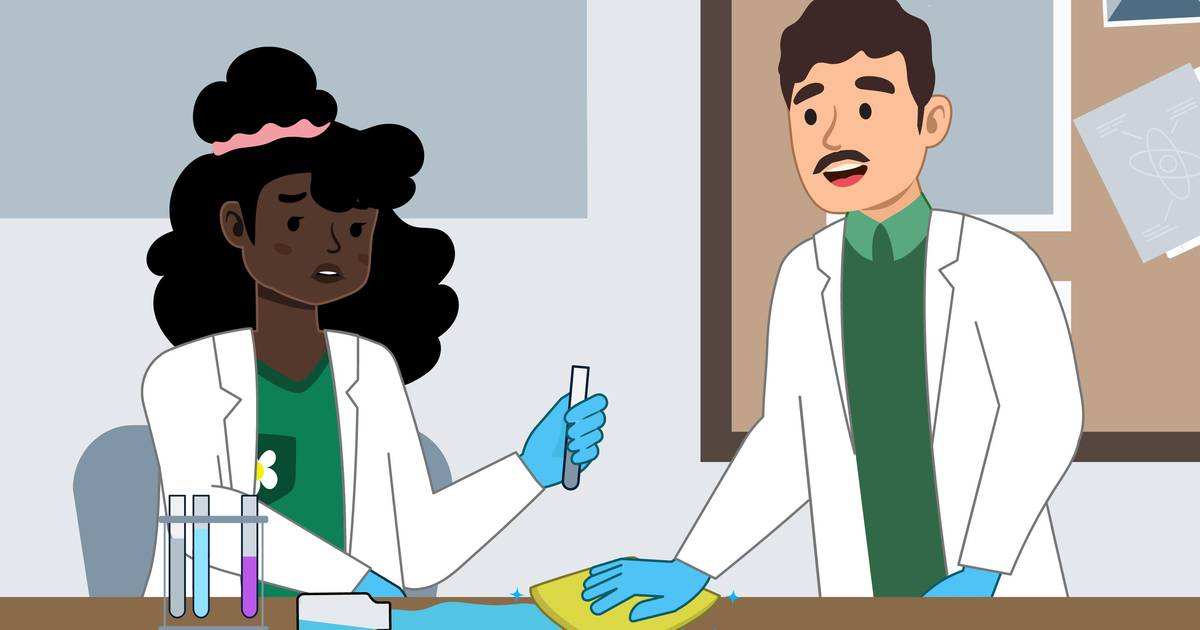
Students interested in STEM subjects should have the opportunity to pursue them with passion and persistence. However, systemic factors and personal experiences can impact students' confidence and undermine their success. This interactive infographic presents strategies for educators to help students build their self-efficacy in STEM.
References
Grimalt-Álvaro, C., & Couso, D. (2018). Raising self-efficacy in STEM, a way to provide opportunities for all. Centre for Research in Science and Mathematics Education. https://ddd.uab.cat/pub/infpro/2018/214174/STEAM4U_strategies.pdf Trujillo, G., & Tanner, K. D. (2014). Considering the role of affect in learning: Monitoring students' self-efficacy, sense of belonging, and science identity. CBE—Life Sciences Education, 13(1), 6–15. https://doi.org/10.1187/cbe.13-12-0241 Wieselmann, J. R., Dare, E. A., Roehrig, G. H., & Ring-Whalen, E. A. (2023). Measurement instruments of STEM affective learning: A systematic review. In R. J. Tierny, F. Rivi, & K. Ercikan (Eds.), International Encyclopedia of Education: Fourth Edition (pp. 421–443). Elsevier Science. https://doi.org/10.1016/B978-0-12-818630-5.13014-3
Topics
- RDEISE
- equity
- racism
- inclusion
- diversity
- belonging
- inclusive education
- STEM education
- professional development
- self-efficacy
- mastery experience
- vicarious experience
- social persuasion
- physiological reaction