Wave Interference
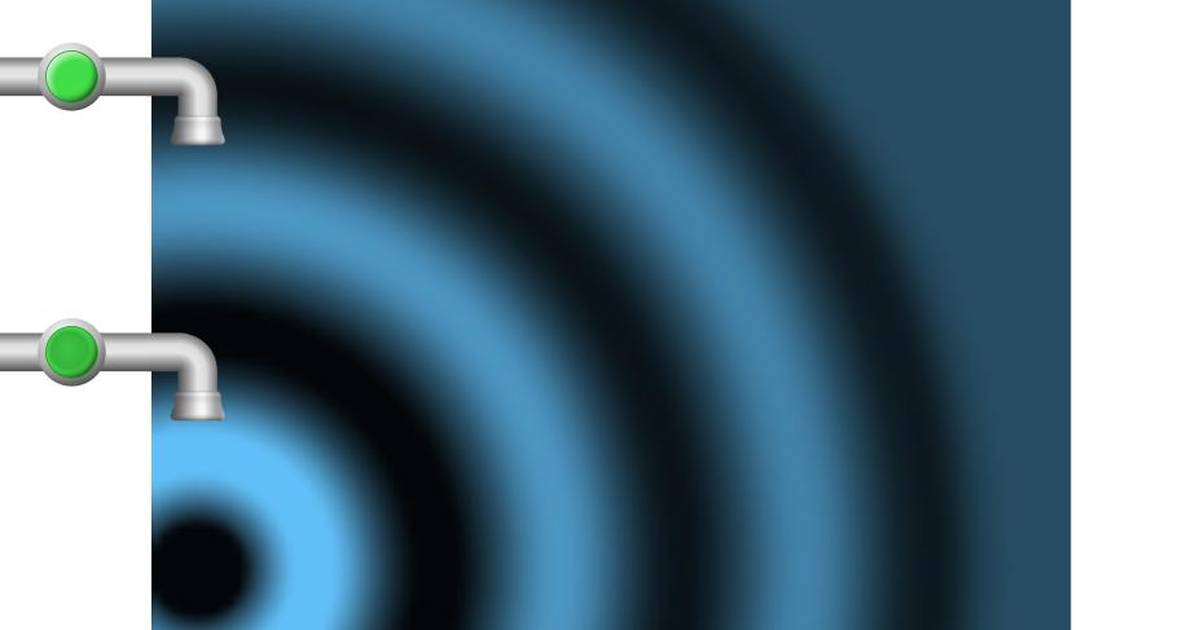
Make waves with a dripping faucet, audio speaker, or laser! Add a second source to create an interference pattern. Put up a barrier to explore single-slit diffraction and double-slit interference. Experiment with diffraction through elliptical, rectangular, or irregular apertures. ▪ Make waves with water, sound, and light and see how they are related. ▪ Design an experiment to measure the speed of the wave. ▪ Create an interference pattern with two sources, and determine the ways to change the pattern. ▪ Find points of constructive and destructive interference by eye and by using the detectors. ▪ Put up a barrier to see how the waves move through one or two slits. What sort of pattern do the slits create? How can you change this pattern? ▪ For light, predict the locations of the fringes that appear on the screen using d sin(θ) = mλ. Use the tape measure to verify your predictions. ▪ Explain how the aperture geometry relates to the diffraction pattern. ▪ Predict how changing the wavelength or aperture size affects the diffraction pattern.
Topics
- interference
- double slit
- diffraction
- waves