Cell Structure and Function
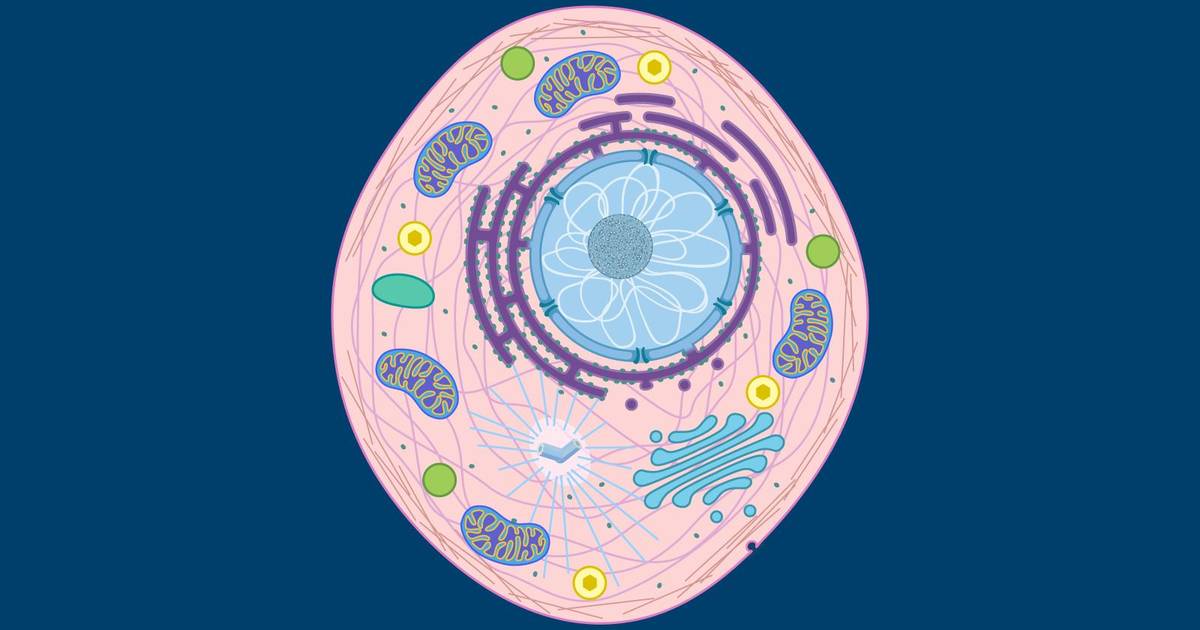
This series of questions will help learners to evaluate their understanding of how interactions between subcellular components and organelles contribute to cell function. Specifically, this question set focuses on structural features of the cell that allow it to capture, store, and use energy and the differentiation between compartmentalization in prokaryotic versus eukaryotic cells.
Topics
- AP
- AP Biology
- AP Bio
- next generation science standards
- NGSS
- cell
- cell size
- volume
- surface-area-to-volume ratio
- surface area
- transport efficiency
- endosymbiotic theory
- endosymbiosis
- mitochondria
- chloroplasts
- ribosomes
- proteins synthesis
- mRNA
- translation
- cristae
- lysosomes
- cellular respiration
- inner mitochondrial membrane
- ATP
- extracellular matrix
- Collagen fibers
- proteoglycans
- fibronectin
- polysaccharide
- carbohydrate
- protein
- plasma membrane
- cell membrane
- lipid bilayer
- proteoglycan complex
- microfilaments
- cytoskeleton
- peroxisomes
- oxidase
- catalase
- compartmentalization
- metabolic function
- cell wall
- cytoplasm
- nucleus
- eukaryotic
- prokaryotic
- animal cell
- plant cell
- bacteria
- bacterial cell
- membrane-bound organelle
- genetic material
- DNA
- cell junctions
- gap junctions
- tight junctions
- desmosomes
- plasmodesmata
- internal membranes
- outer membrane
- compartments