Fluorescein or Green Fluorescent Protein: Is It Possible to Create a Sensor for Dehydration?
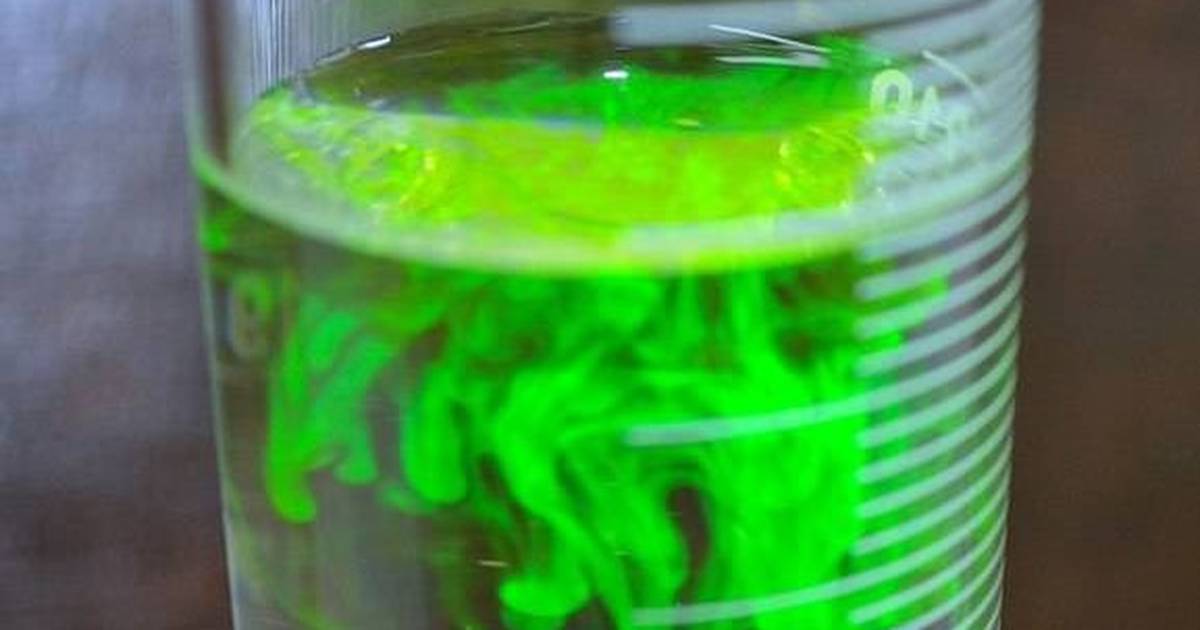
Dehydration occurs when more fluid leaves the body than enters it. Dehydration can cause severe symptoms from headaches to unconsciousness. Currently early dehydration detection system using temperature and pH as indicators do not exist. The temperature and pH of skin are known to increase and decrease, respectively, with dehydration. These variables are also known to affect the fluorescence of certain fluorophores, which could provide a visible marker of dehydration. In this study, a protein fluorophore, green fluorescent protein (GFP), and a chemical fluorophore, fluorescein, were tested for a change in fluorescence in response to increased temperature or decreased pH. Temperatue affected neither fluorophore. However, both lost fluorescence when the pH of the environment was decreased. Fluorescence was also assayed for a return to its standard brightness when the temperature and pH were normalized. Reversing the pH change did not restore GFP fluorescence, but that of fluorescein was re-established. This finding suggests that fluorescein could be used as a reusable sensor for a dehydration-related pH change.
Topics
- dehydration
- dehydration detection system
- low hydration levels
- temperature
- pH
- skin
- fluorophores
- green fluorescent protein
- fluorescein
- protein fluorophores
- chemical fluorophores
- sweat
- exercise
- thermoregulation
- sensors
- pH level
- body temperature
- pH of human skin
- protonation
- electromagnetic bonds
- amino acids
- tertiary structure
- protein shape
- chemical structure
- synthetic coloring agent
- electron configuration
- fluorescence
- hydration levels
- physiological range
- GFP
- hydration
- health