X-chromosome Inactivation
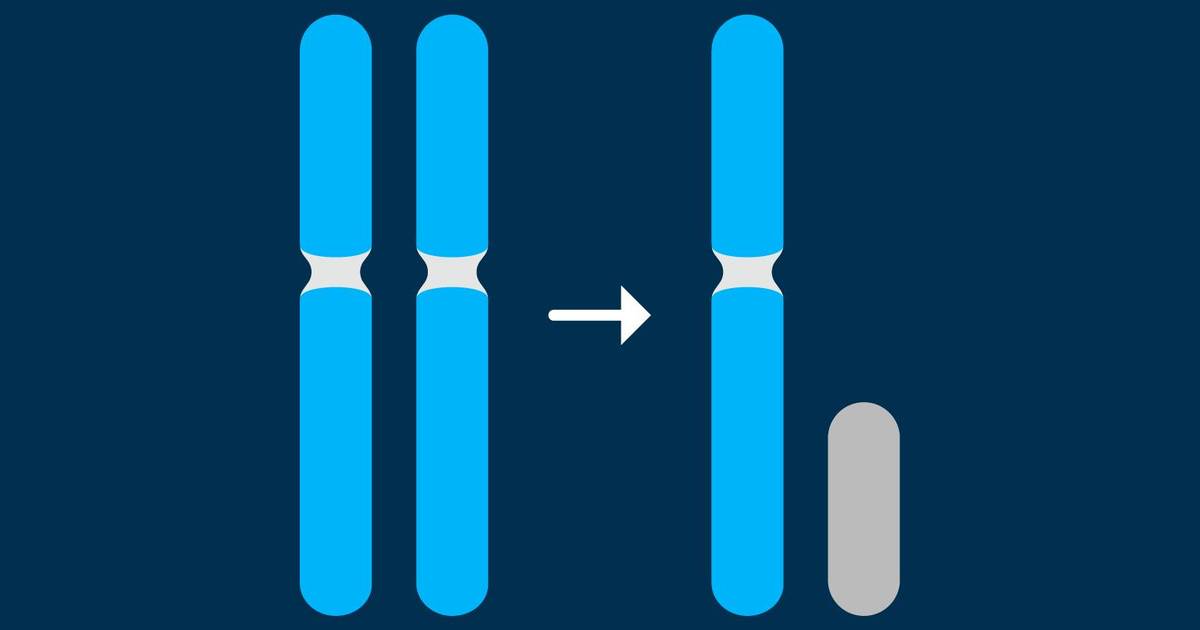
This text explores the mechanisms of X chromosome inactivation (XCI), which is the process by which one of the two X chromosomes is randomly inactivated in female organisms that follow the XX-XY sex determination system. XCI is important for ensuring equal expression levels of X-linked genes in both males and females.
Topics
- allele
- aneuploidy
- anhidrotic epidermal dysplasia
- Barr body
- biological sex
- biological sex determination
- chromosomes
- decreased X chromosome expression
- DNA
- embryo
- embryonic cell
- female
- gene dosage
- gene expression
- genes
- genetic disorder
- hermaphroditic organisms
- heterozygous
- homologous X chromosomes
- human sex chromosome
- increased X chromosome expression
- Klinefelter syndrome
- Lyon hypothesis
- lyonization
- male
- Mary Lyon
- mosaic female
- Murray Barr
- non-coding RNA molecule
- PAR
- phenotype
- poly-X female
- proteins
- pseudoautosomal regions
- RNA products
- sex chromosome aneuploidy
- sex chromosomes
- transcription
- triple X
- Tsix
- Turner syndrome
- X chromosome
- X chromosome inactivation
- X-inactive specific transcript
- X-linked gene
- X-linked trait
- XCI
- XO male
- XX-XY sex determination system
- XX-XO sex determination system
- Y chromosome