The Role of Proteins in the Cell
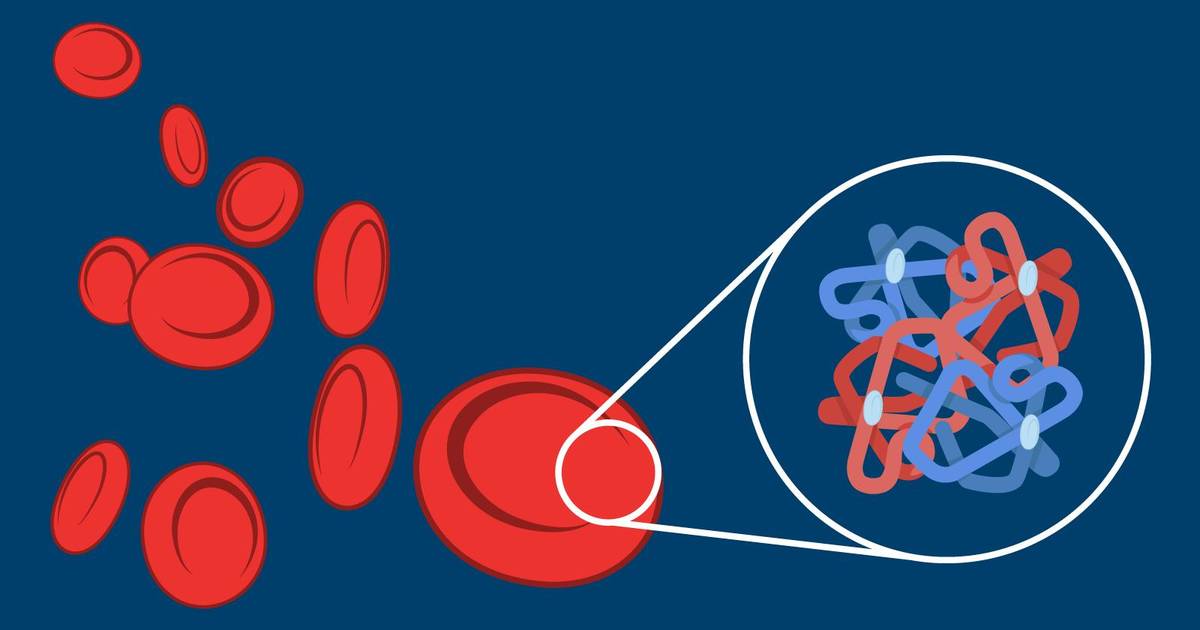
This text uses a variety of images to illustrate many dynamic functions of proteins, including catalysis, transport, defense, signaling, and movement. It focuses on specific examples for each function, including enzyme catalysis, hemoglobin’s role in oxygen transport, antibodies used in immune defense, receptors used for cell signaling, and proteins involved in muscle movement.
Topics
- AP
- AP Biology
- AP Bio
- next generation science standards
- NGSS
- spike protein
- virus
- proteins
- macromolecules
- monomers
- amino acids
- polymer
- polypeptide chain
- enzyme catalysis
- transport
- immune system defense
- cellular signaling
- movement
- respiratory gases
- oxygen transport
- carbon dioxide
- red blood cells
- hemoglobin
- polypeptide subunits
- heme
- transmembrane proteins
- lipid bilayer
- glucose transporters
- passive transport
- facilitated diffusion
- insulin receptor
- active transport
- immune system
- bacteria
- viruses
- toxins
- pathogens
- antibodies
- B cells
- antigens
- coronaviruses
- phagocytes
- viral genome
- cell communication
- protein receptors
- receptors
- signal cascade
- homeostasis
- stomata
- light receptors
- wavelengths
- light intensity
- muscle contraction
- muscle cells
- actin
- myosin
- tropomyosin
- troponin
- cilia
- respiratory epithelium
- lungs
- flagella
- radial spokes
- microtubules
- respiratory infections
- sperm
- egg
- fertilization
- dynein
- cross-linking proteins