Cellular Transport
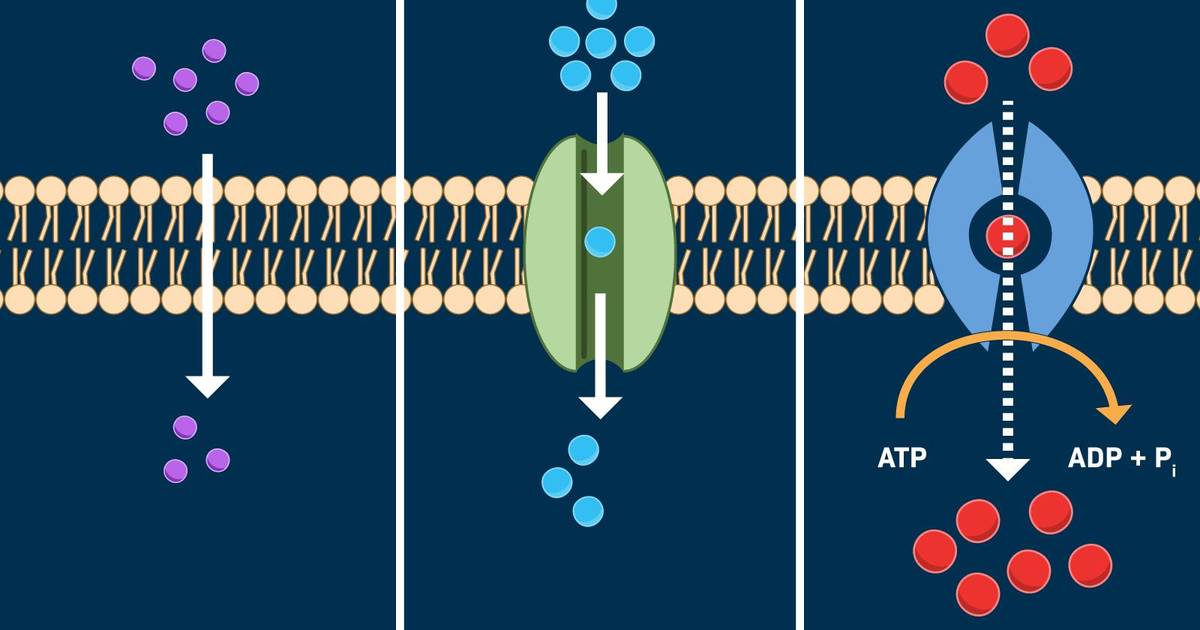
This AP® Biology content delves into the intricacies of plasma membranes and their critical role in maintaining cellular function. In this pathway, learners will examine membrane permeability, mechanisms of transport, and the dynamic processes that regulate the movement of substances across the membrane. By exploring facilitated diffusion, tonicity, osmoregulation, and various transport mechanisms, learners will gain insight into how membranes manage homeostasis. Through the analysis of these processes, students will interpret the interplay between membrane structure and function, and how these interactions support the cellular environment. AP® is a registered trademark of the College Board, which has not reviewed this resource.
Topics
- AP
- AP Biology
- AP Bio
- next generation science standards
- NGSS
- cell transport
- unit 2
- structure
- function
- cell membrane
- cell wall
- osmolarity
- passive transport
- plasma membrane
- lipid bilayer
- solute
- membrane protein
- plant cell
- against concentration gradient
- ions
- charged molecules
- polar
- nonpolar
- hydrophilic
- hydrophobic
- semipermeable membrane
- selective permeability
- phospholipid
- bilayer
- osmosis
- diffusion
- facilitated diffusion
- aquaporin
- aquapore
- active transport
- sodium potassium pump
- bulk transport
- endocytosis
- exocytosis
- pinocytosis
- phagocytosis
- cholesterol
- receptor-mediated endocytosis
- red blood cells
- protein pump
- ion pump
- IV fluids
- dialysis tubing
- concentration gradient
- tonicity
- hypertonic
- hypotonic
- isotonic
- osmoregulation
- net flow