Evidence for Evolution
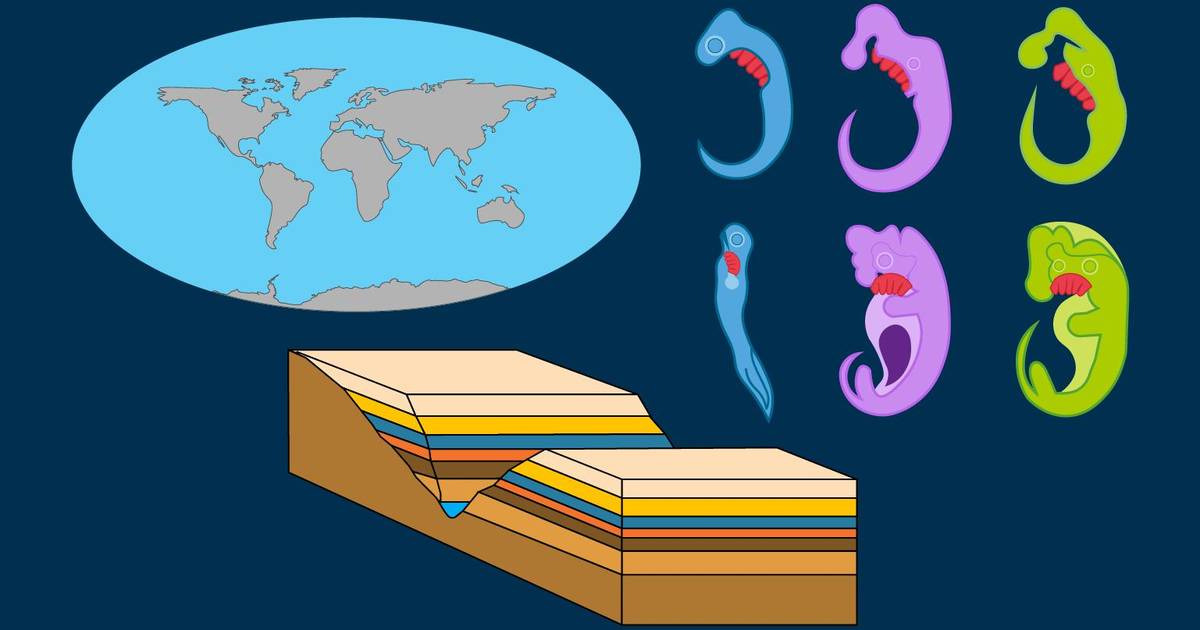
This AP® Biology content explores the wide range of evidence scientists use to understand evolution and the shared ancestry of life on Earth. Learners will examine how molecular, morphological, geological, and fossil data reveal patterns of change over time and provide support for common ancestry across all domains of life. They will investigate the conserved cellular and molecular features shared by all organisms, as well as the specific structural traits, such as membrane-bound organelles, linear chromosomes, and introns, that unite all eukaryotes. Learners will also analyze how evolution continues in modern species, including antibiotic resistance. Finally, they will explore how evolutionary relationships are inferred using multiple lines of evidence and how phylogenetic trees and cladograms can be used to represent relatedness, common ancestry, and speciation. AP® is a registered trademark of the College Board, which has not reviewed this resource.
Topics
- AP
- AP Biology
- AP Bio
- next generation science standards
- NGSS
- evidence for evolution
- natural selection
- common ancestry
- phylogeny
- phylogenetic tree
- cladistics
- homologous structures
- analogous structures
- vestigial structures
- comparative anatomy
- molecular evidence
- DNA sequences
- amino acid sequences
- conserved sequences
- genome alignment
- biogeography
- paleontology
- fossil record
- radioactive dating
- embryology
- molecular systematics
- evolutionary relationships
- convergent evolution
- divergent evolution
- hybridization
- genetic variation
- mutation
- allele frequencies
- selective pressure
- adaptation
- antibiotic resistance
- microbial evolution
- endosymbiosis
- eukaryote evolution
- horizontal gene transfer
- ring of life
- tree of life
- bioinformatics
- genomics