Enzymes
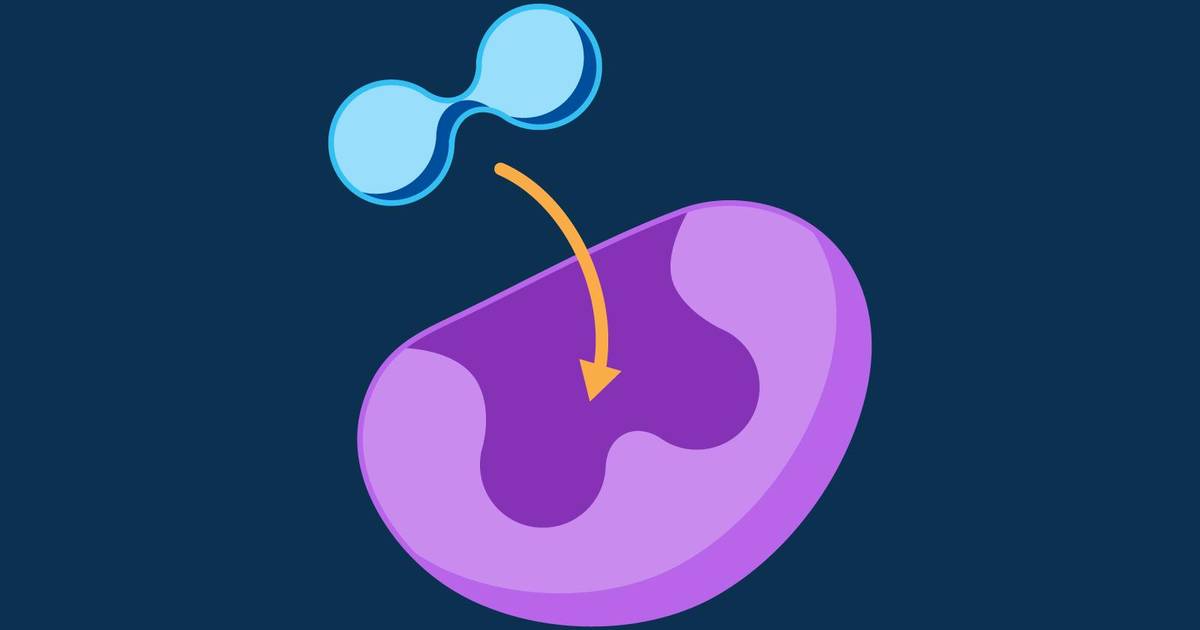
This AP® Biology content explores the foundational principles of enzymes and their critical role in facilitating biochemical reactions. In this pathway, learners will investigate enzyme structure, the specificity of active sites, and the role of enzyme-substrate interactions in catalysis. By analyzing environmental factors such as temperature, pH, and substrate concentration, students will gain an understanding of how enzymes function under varying conditions and the consequences of these changes on reaction rates. Through exploration, learners will interpret how enzymes drive biological processes that are essential for maintaining life. AP® is a registered trademark of the College Board, which has not reviewed this resource.
Topics
- AP
- AP Biology
- AP Bio
- next generation science standards
- NGSS
- cell energy
- cellular energetics
- unit 3
- structure
- function
- enzymes
- enzyme activity
- peroxidase
- substrate
- enzyme-substrate complex
- product
- reactant
- active site
- amino acid
- amino acid residue
- R group
- activation energy
- catalyst
- temperature
- pH
- denaturation
- kinetic energy
- hydrogen bonds
- ionic bonds
- protein folding
- cofactor
- competitive inhibitor
- competitive inhibition
- noncompetitive inhibition
- noncompetitive inhibitor
- allosteric site
- allosteric inhibition
- allosteric inhibitor
- reaction rate
- high temperature
- low temperature
- optimal temperature
- high pH
- low pH
- optimal pH
- environmental variable
- monomer
- polymer
- carbohydrate
- hydrolysis
- hydrogen peroxide
- pepsin
- protein
- line graph
- substrate concentration
- enzyme saturation
- phosphorylation