From Gene To Disease: Sickle Cell Anemia
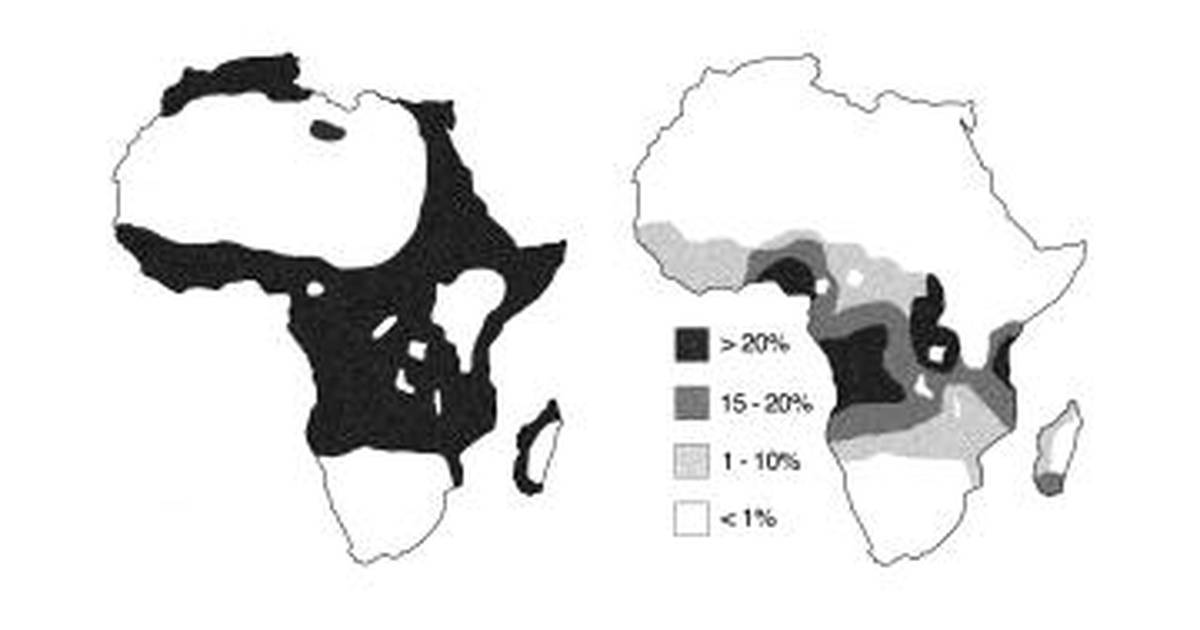
In this lesson, students learn about the relationships among environment, genotype, and phenotype. Through a case study approach, students learn about sickle cell anemia, a deadly recessive disease that remains prevalent in the human population because being a carrier of the disease confers resistance against malaria. Students explore the evolutionary trade-offs involved in this classic example of heterozygote advantage. This lesson should take approximately one or two 50-minute class periods and is designed to be used in an introductory high school biology course.
Related resources
Topics
- heterozygous
- homozygous
- HS-LS3-3
- HS-LS3-4(MA)
- HS-LS4-1
- HS-LS3-1
- HS-LS4-2
- HS-LS4-3
- HS-LS4-4
- natural selection
- genetic inheritance
- public health
- hemoglobin
- Punnett square
- autosomal
- carrier
- epidemiology
- genotype
- heterozygote advantage
- malaria
- parasite
- pedigree
- phenotype
- recessive inheritance pattern
- sickle cell anemia
- sickle cell trait