Cell Cycle and Cancer
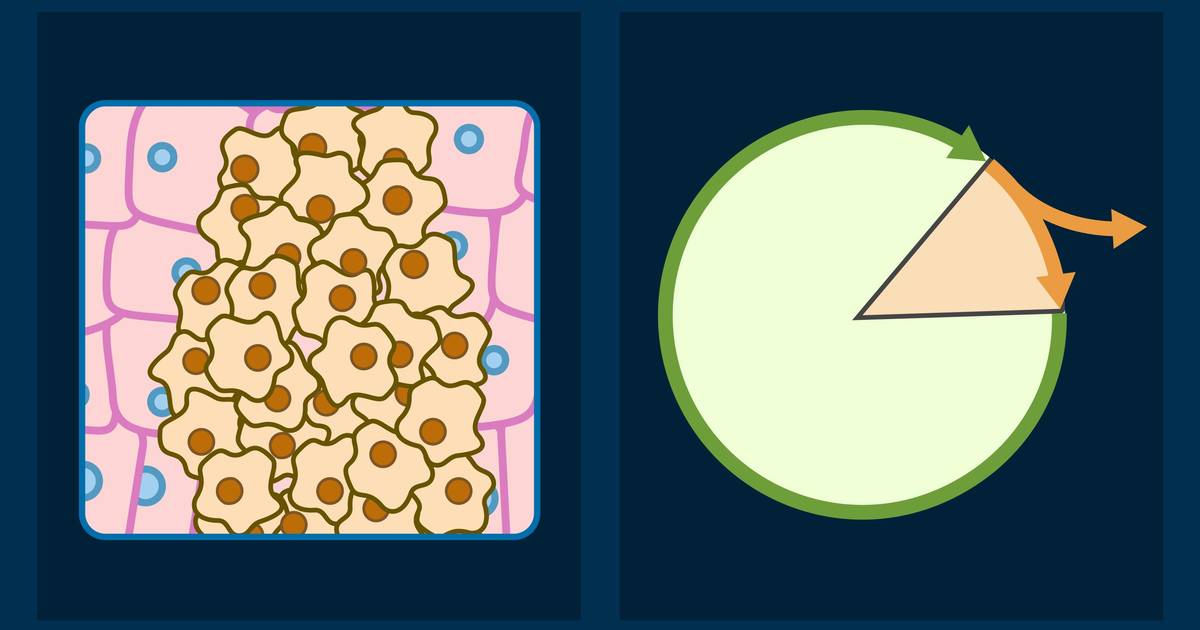
This AP® Biology content explores the regulation and progression of the cell cycle, a tightly controlled series of events that allow cells to grow, divide, and reproduce. In this pathway, learners will examine the sequential stages of the cell cycle—interphase (G1, S, G2), mitosis, and cytokinesis—as well as the G0 phase, where cells can exit the cycle temporarily or permanently. Learners will discover how mitosis ensures the accurate transmission of chromosomes from a parent cell to 2 genetically identical cells, supporting growth, tissue repair, and asexual reproduction. They will also explore the role of internal checkpoints and the interactions between cyclins and cyclin-dependent kinases in regulating cell cycle progression. Finally, learners will investigate how disruptions to the cell cycle can lead to apoptosis or diseases such as cancer. AP® is a registered trademark of the College Board, which has not reviewed this resource.
Topics
- AP
- AP Biology
- AP Bio
- next generation science standards
- NGSS
- mitosis
- cell cycle
- cytokinesis
- cell division
- anaphase
- interphase
- metaphase
- DNA replication
- M phase
- G1 phase
- G2 phase
- prometaphase
- prophase
- S phase
- telophase
- chromosome
- eukaryotic cell
- cell growth
- G1
- G2
- nuclear division
- centrosome
- cancer
- cell cycle checkpoints
- cell cycle disruptions