Cell Signaling
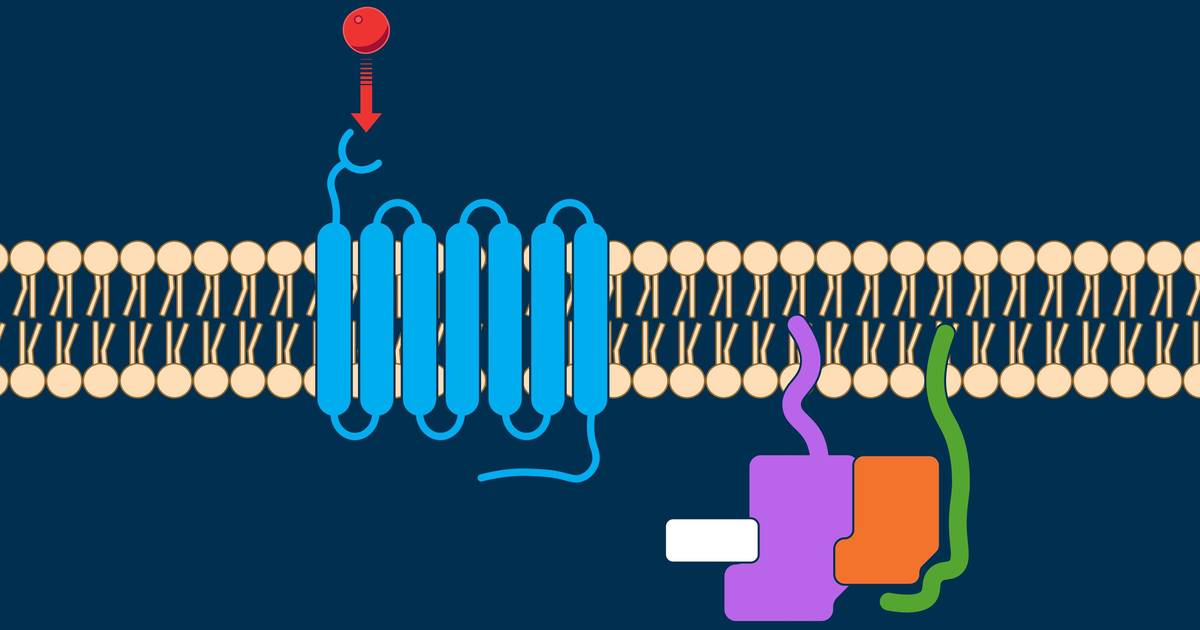
This AP® Biology content explores how cells communicate to coordinate life processes. Learners are introduced to the 3 stages of cell signaling: reception, transduction, and cellular response. They will examine how signals are detected by receptors, how transduction pathways amplify and relay information within the cell, and how responses can vary from changes in gene expression to alterations in cell behavior. This pathway also highlights how modifications in signal transduction can affect the efficiency or outcome of cellular responses, providing insight into the regulation of biological systems. AP® is a registered trademark of the College Board, which has not reviewed this resource.
Related resources
Topics
- AP
- AP Biology
- AP Bio
- next generation science standards
- NGSS
- receptor
- ligand
- phosphodiesterase
- signaling cell
- target cell
- cell communication
- apoptosis
- cAMP
- diacylglycerol
- DAG
- inositol triphosphate
- IP3
- kinase
- neurotransmitter
- second messenger
- hormone
- cell signaling
- pancreas
- signal transduction
- paracrine
- autocrine
- reception
- transduction
- response
- G-Protein coupled receptors
- tyrosine kinase
- phosphorylation cascades